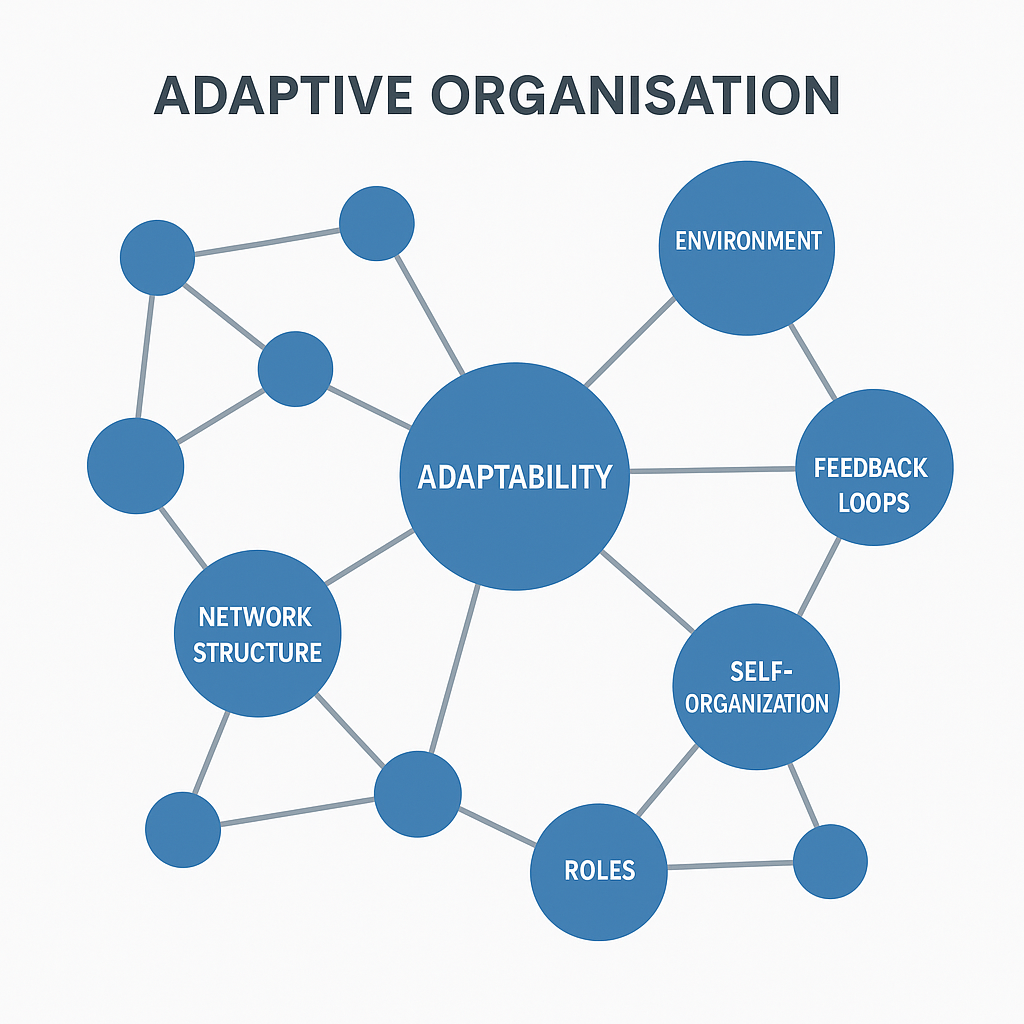
Benvenuti nella nostra pagina di risorse, dove condividiamo approfondimenti ed expertise nell’adattività organizzativa, agilità, lean, pratiche di leadership, trasformazione digitale e, più in generale, nell’evoluzione delle pratiche lavorative. Scoprite strategie pratiche, framework collaudati e approcci innovativi per aiutare la vostra organizzazione a prosperare nell’ambiente aziendale dinamico di oggi.
Leaders get AI wrong in two ways that look like leadership: handing the decision to IT, or ordering adoption from the top without understanding what AI can do. This first article of the series AI as a Leadership Responsibility explains why both failures are structural, and names five decisions that need a clear owner before AI agents are used at scale.
Di: Society for Adaptive Organisations
Pubblicato:
Adaptive OrganisationsArtificial IntelligenceAI as a Leadership ResponsibilityAdaptive Leadership
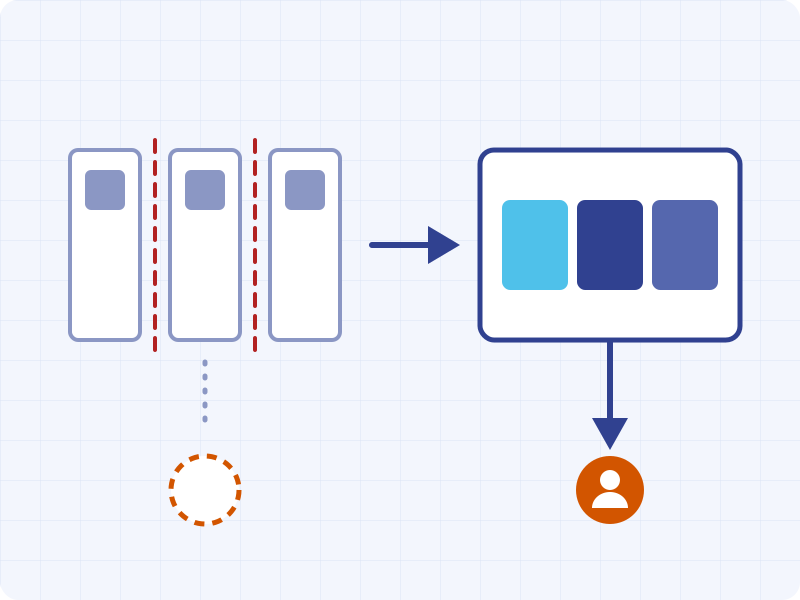
Ambidexterity gives organisations two hands, one to exploit the known and one to explore the new, but it misses the middle where most innovations actually die. This third article of the series on the dimensions of adaptivity introduces organisational multidexterity: explore, exact and exploit, held at once, with separate structures, protected investment and the courage to let go of what no longer serves.
Di: Society for Adaptive Organisations
Pubblicato:
Adaptive OrganisationsDimensions of AdaptivityAmbidexterityInnovation
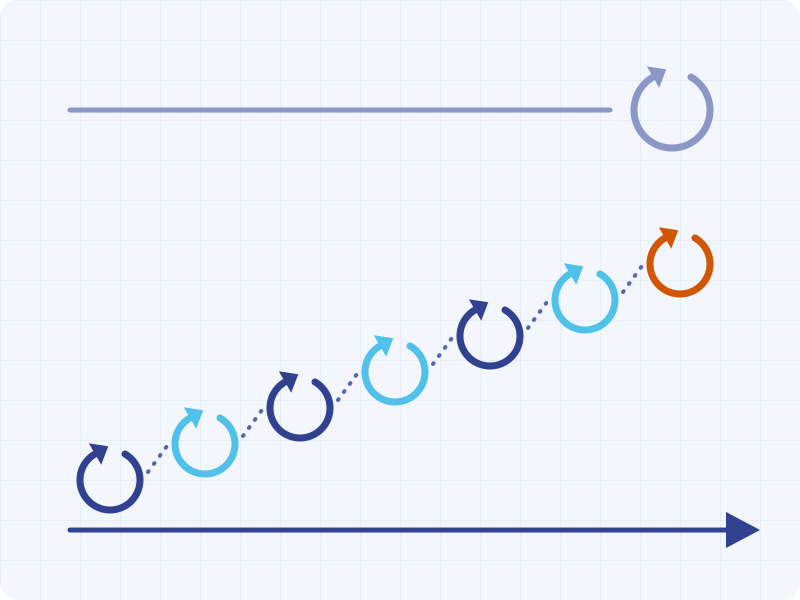
The distance between what an organisation assumes and what is actually true is its real measure of risk, and the speed at which it closes that gap is its rate of learning. This second article of the series on the dimensions of adaptivity explains why plans must be treated as hypotheses, why shortening the cycle is not working faster, and which structural, cultural and relational conditions must hold together for fast learning to compound.
Di: Society for Adaptive Organisations
Pubblicato:
Adaptive OrganisationsDimensions of AdaptivityFast Improvement CyclesLearning Organisation
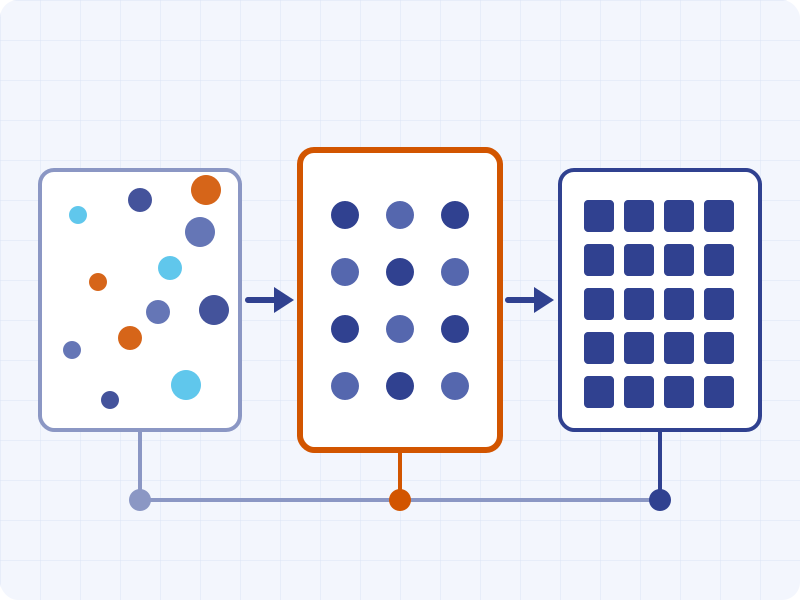
Most organisations are built like a food factory: structured around functions and components, with the customer's result stitched together across the boundaries between them. This first article of the series on the dimensions of adaptivity explains solution orientation, why component teams see no customer, what the shift to solution teams actually costs, and why cutting accidental complexity is a direct lever on speed.
Di: Society for Adaptive Organisations
Pubblicato:
Adaptive OrganisationsDimensions of AdaptivityProduct OrientationTeams
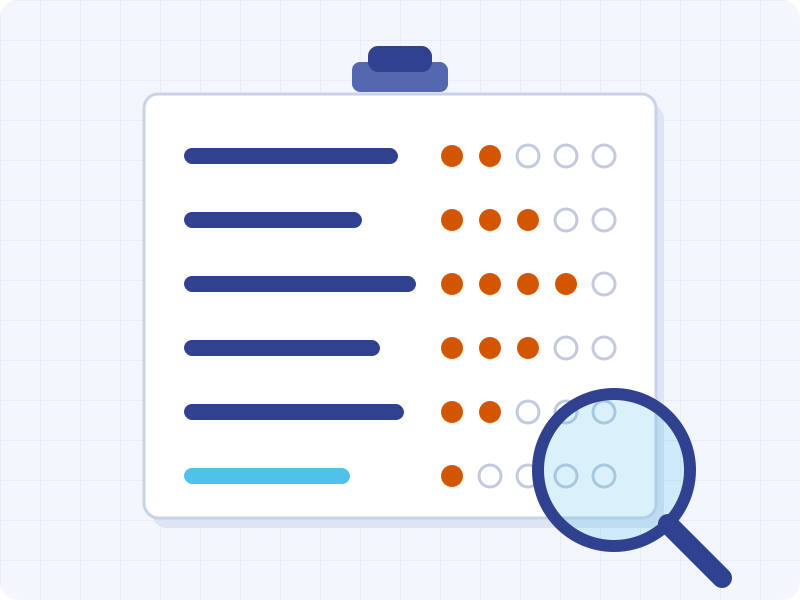
Every clause in the definition of an adaptive organisation is a load-bearing condition, and the only honest response to a specification is to test yourself against it. This second article of the series turns the definition into six checks, scored from one to five, worked from the foundations upwards — with a printable summary sheet and guidance on why the clauses that fail together tell you more than any average.
Di: Society for Adaptive Organisations
Pubblicato:
Adaptive OrganisationsDefinitionSelf-assessmentComplexity & Systems Thinking
The Society's definition of an adaptive organisation is not a slogan but a piece of engineering. Read closely, it is built in four layers — discipline, terrain, capabilities and foundations — each resting on the one below. This first article of the series on the definition shows why the sentence reads downwards but only works upwards, and why leadership is the load-bearing element the diagram leaves out.
Di: Society for Adaptive Organisations
Pubblicato:
Adaptive OrganisationsDefinitionComplexity & Systems ThinkingLeadership & Organisational Development
The organisations that will thrive with AI are not those that adopt the most tools fastest, but those that build the capacity to keep adapting. A more-than-half-century-old law from cybernetics explains why.
Most discussions of adaptive organisations ask the wrong question. Adaptiveness is a snapshot; evolvability — the structural capacity to keep generating useful change — is the film. This piece draws on Ashby's cybernetics, biology's evolvability research, and the AME3 framework to show what that distinction demands in practice.
La maggior parte dei programmi di trasformazione si concentra su cambiamenti visibili, mentre la logica più profonda dell’organizzazione rimane invariata. Un cambiamento sostenibile diventa possibile solo quando le organizzazioni sono in grado di mettere in discussione e riprogettare le assunzioni che stanno alla base dei loro processi decisionali.
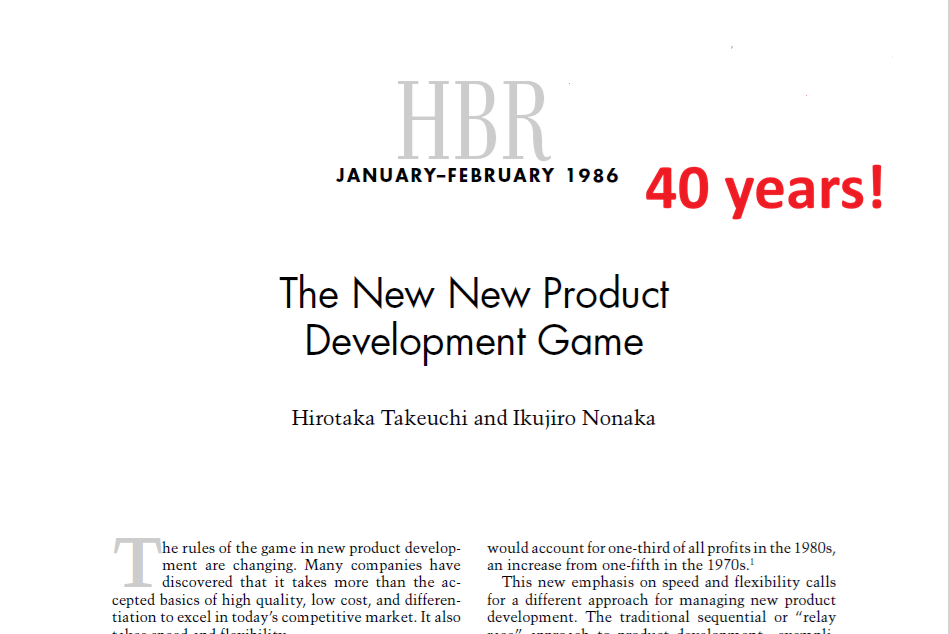
Nel gennaio 1986, due professori giapponesi pubblicarono un articolo che avrebbe ridefinito il modo in cui il mondo pensa all'innovazione. Non attraverso una grande teoria, ma attraverso una metafora del rugby. Hirotaka Takeuchi e Ikujiro Nonaka avevano trascorso anni studiando come le aziende più competitive in Giappone e negli Stati Uniti sviluppavano effettivamente nuovi prodotti. Ciò che scoprirono contraddiceva tutto ciò che il mondo del management dava per scontato.
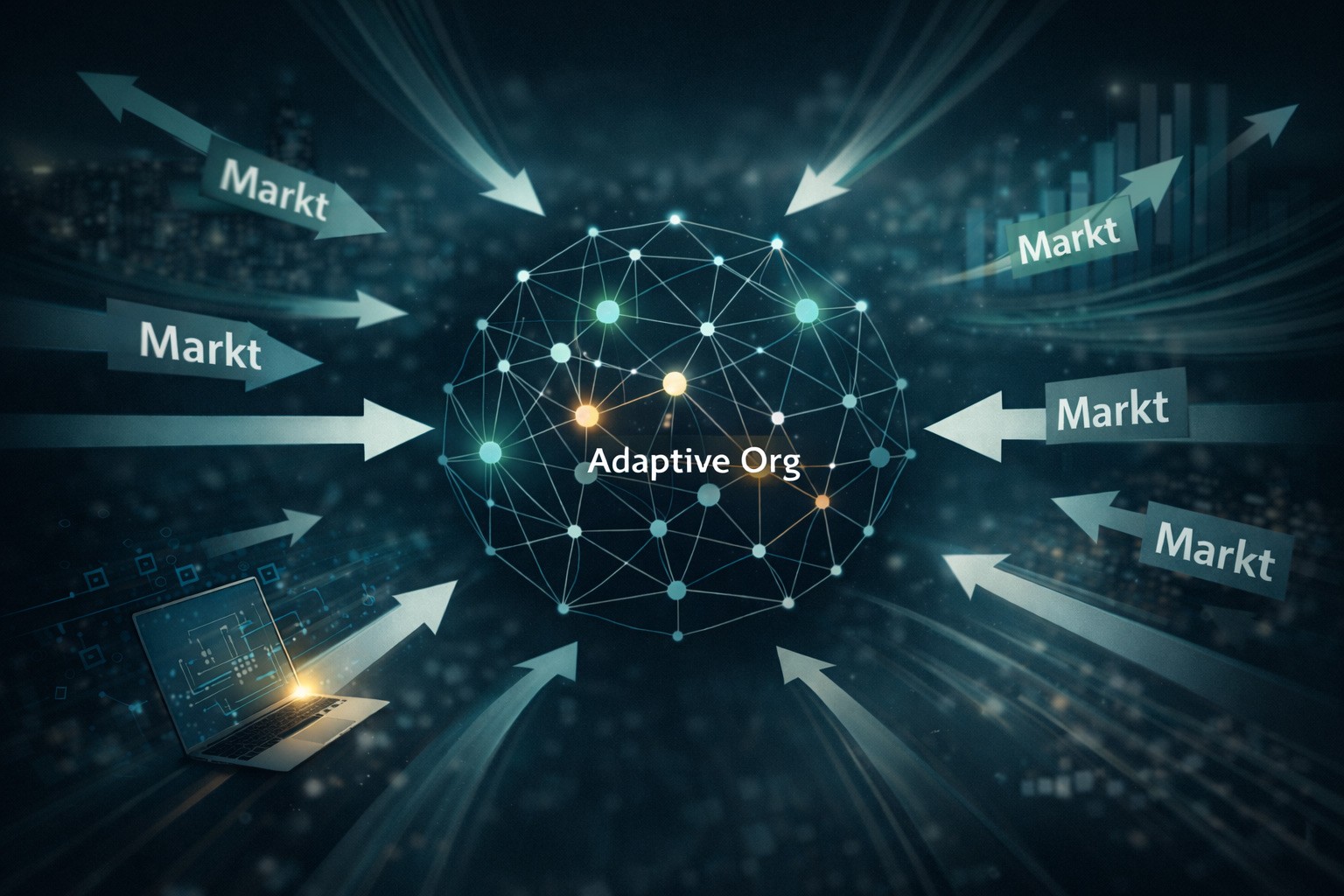
Un’organizzazione adattiva si definisce attraverso la sua capacità di prendere decisioni efficaci e decentralizzate, di apprendere continuamente e di allineare le azioni di oggi con le opportunità future in condizioni di incertezza. Si basa sull’auto-organizzazione, sulla misurazione orientata ai risultati e sulla leadership intesa come pratica continua di apprendimento, piuttosto che su strutture rigide o sul controllo. Nel complesso, l’adattività emerge dalla progettazione consapevole dei processi decisionali, della collaborazione e dell’apprendimento, per navigare la complessità e consentire un cambiamento continuo.
Di: Ilker Demirel
Pubblicato:
Organizzazione adattivaLeadership e sviluppo organizzativoComplessità e pensiero sistemico
Organisations today face a paradox: they must deliver value reliably today whilst simultaneously preparing for an uncertain tomorrow. This article explores why sound product management, combined with the structural shift to product orientation, is essential for building truly adaptive organisations. Learn how product management creates coherence, enables fast learning, and provides the strategic discipline needed to thrive in dynamic markets.
Matrix organisation has well-known problems. Combining Back-Front and Modular organisation designs gives you options for creating adaptive organisation, productive teamwork, and market focus.
Nell'era dell'intelligenza artificiale e del lavoro a distanza, ci si chiede se i team tradizionali stiano diventando obsoleti. L'articolo mette alla prova le cinque condizioni di Hackman per i team efficaci rispetto al dynamic teaming e all'IA: i team restano rilevanti, ma solo a determinate condizioni.
Di: Andreas Schliep
Pubblicato:
Organizzazioni adattivePrincipi agiliTeamIA nella collaborazione
This whitepaper examines how organisations can develop genuine adaptability in rapidly changing markets. Traditional functional structures fail when confronted by agile competitors. We identify three essential pillars: product orientation (organising around complete value streams), fast learning cycles (feedback loops measured in days, not quarters), and organisational ambidexterity (exploiting current capabilities whilst exploring new opportunities). Underpinning these is adaptive leadership that enables rather than directs. Organisations that commit to this transformation do not merely survive disruption but create it, generating new markets rather than defending eroding positions.
The article examines the internal and external perspectives on the survivability of organisations. One possible external perspective is reflected in stock market trading data, while one possible internal perspective arises from the knowledge we have about the organisation to which we belong. Four metaphors representing organisations with varying degrees of adaptability provide a good starting point for discussion.
Questo sito web utilizza solo funzionalità essenziali e memorizza le tue preferenze localmente. Non vengono utilizzati cookie di tracciamento o marketing.